Gemstones for Astrologers: A Guide to Natural and Certified Astrology Gems
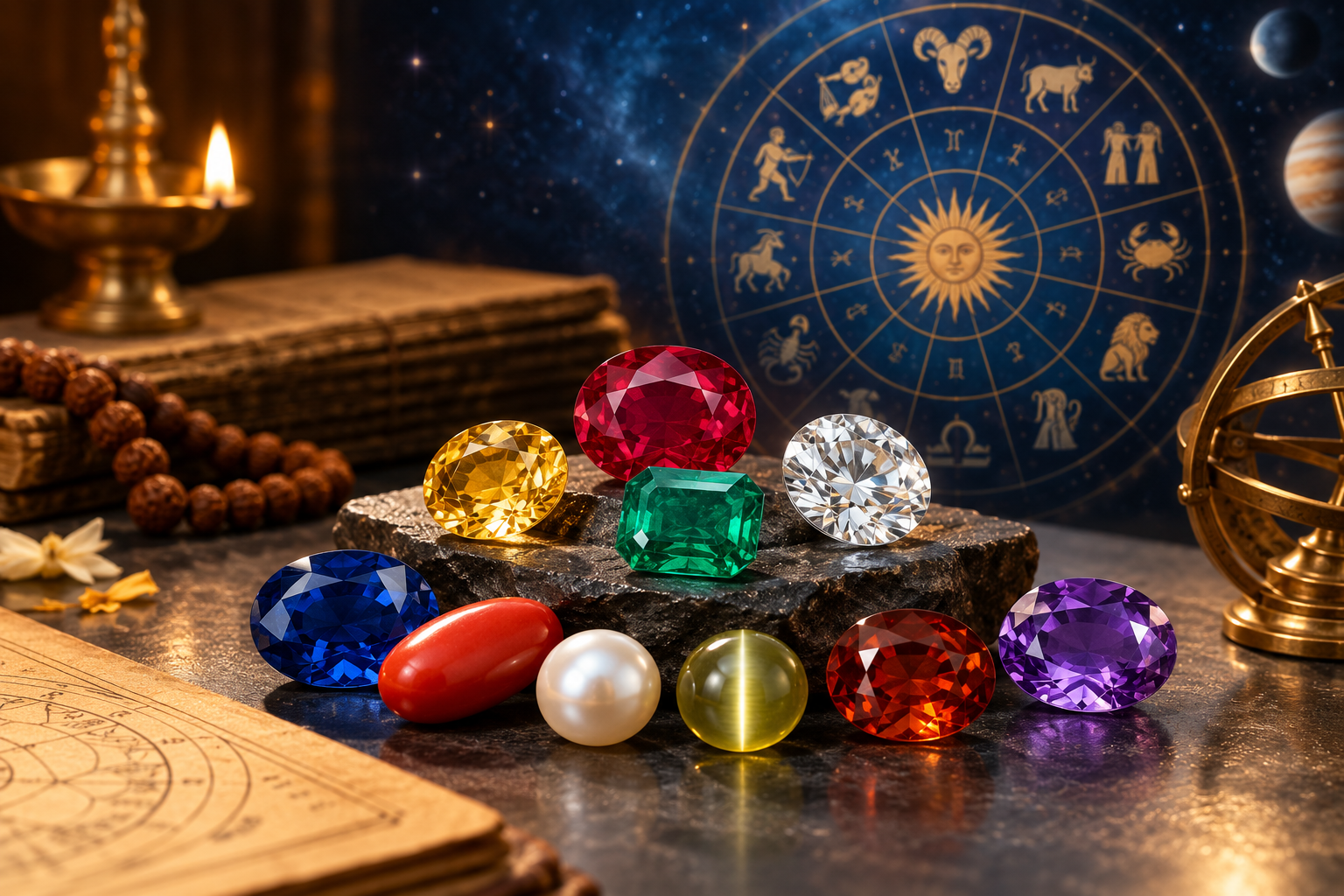
Gemstones have an important place in the traditional practice of Vedic astrology. Astrologers may recommend specific gemstones based on a person’s birth chart, planetary associations and traditional astrological principles. For professionals working with clients, sourcing authentic and properly documented gemstones is essential for maintaining confidence and transparency.
Gemstones for astrologers can include traditional planetary stones such as ruby, emerald, yellow sapphire, blue sapphire, red coral, pearl, hessonite garnet and cat’s eye. The suitability of a gemstone depends on the astrological system and individual chart, while the physical quality and treatment status of the stone are separate considerations that should be verified before purchase.
Why Quality Gemstones for Astrologers
Astrologers often work directly with clients who expect accurate information about the gemstones recommended to them. A gemstone supplier should therefore provide clear details about whether a stone is natural, synthetic, treated or untreated, along with relevant laboratory documentation where applicable.
Quality is also important because gemstones with similar names can vary significantly in color, clarity, origin, treatment and overall value. Working with a dependable supplier allows astrologers to select stones according to their clients’ requirements rather than relying only on appearance.
Popular Gemstones Used in Astrology
Ruby, traditionally associated with the Sun, is one of the best-known gemstones used in Vedic astrology. Emerald is traditionally associated with Mercury, while yellow sapphire is associated with Jupiter. Blue sapphire is traditionally linked with Saturn and is often approached with particular caution within astrological practice.
Other commonly discussed astrological gemstones include red coral, pearl, hessonite garnet and cat’s eye. The traditional planetary association of a gemstone does not by itself establish a scientifically proven effect, so astrologers should distinguish traditional astrological guidance from scientifically established claims.
Natural Gemstones for Astrologers
Natural gemstones are formed through geological processes and can contain inclusions and other characteristics that help distinguish them from laboratory-grown or synthetic materials. For astrologers who specifically recommend natural stones, confirming the material identity and treatment status is an important part of responsible sourcing.
A natural gemstone does not automatically mean that it is untreated or of high quality. A gemstone can be natural and still have undergone treatment to improve its appearance. This is why laboratory reporting and transparent disclosure can be valuable when purchasing higher-value stones.
Importance of Gemstone Certification for Astrologers
Certification can provide independent information about a gemstone’s identity and characteristics. Depending on the laboratory and gemstone, a report may discuss factors such as species, variety, natural or synthetic status and detectable treatments.
Astrologers purchasing gemstones for clients should review the actual information provided on the certificate rather than relying only on the word “certified.” The credibility of the laboratory, report number, gemstone description and treatment disclosure should all be considered when evaluating a stone.
How Astrologers Can Choose the Right Gemstone Supplier
A suitable gemstone supplier should offer transparent information about gemstone quality, treatments, certification and pricing. Clear communication becomes especially important when an astrologer needs stones in different sizes, qualities or price ranges for multiple clients.
For professional sourcing, consistency is another important consideration. A supplier who can provide reliable product information and repeatable quality can make it easier for astrologers to serve clients over the long term.
Gemstone Quality Factors Astrologers Should Understand
Color, clarity, cut, carat weight, transparency, treatment and overall condition can influence the appearance and commercial value of a gemstone. The importance of each factor varies depending on the particular gemstone.
For example, the ideal appearance and quality considerations for a ruby are not identical to those for an emerald or sapphire. Astrologers who source gemstones regularly can benefit from understanding these gemological differences in addition to their traditional astrological applications.
Buying Gemstones for Astrology Practice Online
Online gemstone sourcing can make it easier for astrologers to compare stones and suppliers across different locations. However, photographs alone cannot establish every important characteristic of a gemstone. Product descriptions should therefore be supported by appropriate documentation, treatment disclosure and a clear purchasing policy.
Before purchasing an expensive gemstone online, astrologers should verify the certificate information, supplier credentials, return terms and the exact gemstone being supplied. These steps can reduce misunderstandings and provide greater confidence when purchasing on behalf of clients.
Wholesale Gemstones for Astrologers
Astrologers who regularly recommend gemstones may require stones in multiple qualities and price ranges. Wholesale sourcing can provide access to a broader inventory and may be appropriate for professionals purchasing repeatedly.
A wholesale relationship should be based on transparent grading, consistent product descriptions and clear treatment disclosure rather than price alone. The lowest-priced gemstone is not necessarily the most appropriate choice for a client.
Gemstones for Vedic Astrology
Vedic astrology traditionally associates particular gemstones with planetary influences. Common examples include ruby for the Sun, pearl for the Moon, red coral for Mars, emerald for Mercury, yellow sapphire for Jupiter, diamond or white sapphire for Venus, blue sapphire for Saturn, hessonite garnet for Rahu and cat’s eye for Ketu.
Astrological recommendations can vary according to the astrologer’s tradition and interpretation of an individual’s birth chart. For this reason, gemstones should not be presented as universally suitable for everyone based only on a zodiac sign or birth month.
Why Jaipur Is a Major Destination for Astrology Gemstones
Jaipur has a long-established gemstone and jewelry industry and is widely known for gemstone cutting, processing and trading. Its network of dealers, artisans and gemstone businesses makes the city an important sourcing destination for both domestic and international buyers.
For astrologers looking for gemstones, Jaipur can provide access to a broad selection of natural and processed stones. However, the reputation of the city does not replace the need to evaluate an individual supplier, gemstone and certificate carefully.
Choosing Certified Gemstones for Clients
When an astrologer purchases a gemstone for a client, transparency can strengthen the professional relationship. The client should be able to understand what gemstone they are receiving and, where applicable, whether it has undergone treatment.
A certificate can support this process by providing independent gemological information. For valuable stones, astrologers may prefer laboratory-tested gemstones so that important characteristics are documented before the purchase is completed.
Conclusion
Choosing gemstones for astrologers involves more than selecting a stone associated with a particular planet. Professional sourcing requires attention to gemstone identity, natural or synthetic status, treatment, quality, certification and supplier reliability.
Whether an astrologer is looking for ruby, emerald, yellow sapphire, blue sapphire or another traditional astrology gemstone, working with a transparent and experienced supplier can make the purchasing process more reliable. Utsav Gems can position its gemstone range around authenticity, quality information and professional sourcing to serve astrologers and astrology-focused buyers.